
Energy Investment: The Foundation of Global Commerce
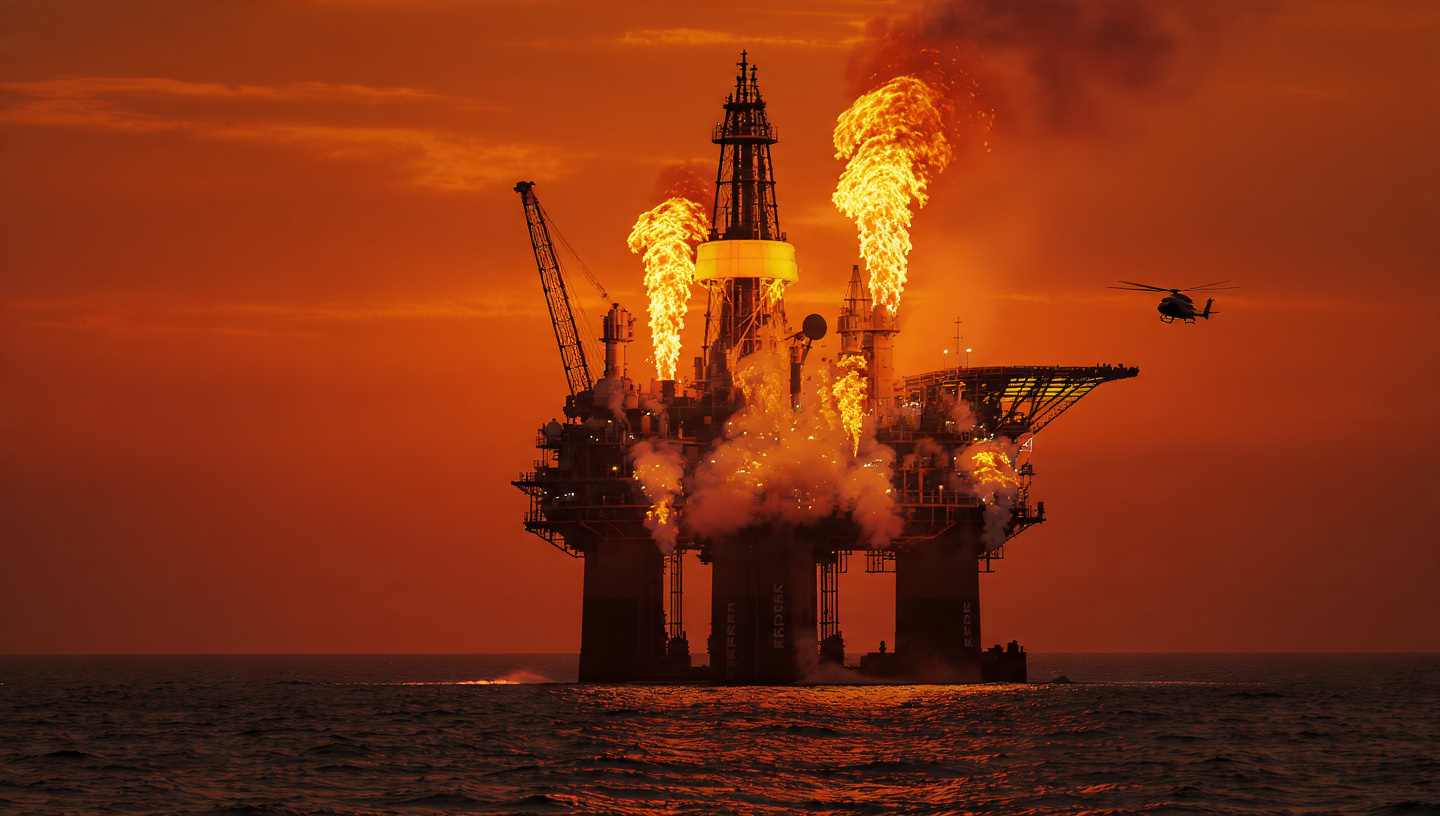
Oil and natural gas remain the foundational fuels powering the global economy—responsible for over 55% of primary energy consumption worldwide. Despite long-term energy transition trends, forecasts from leading energy agencies confirm that hydrocarbons will remain essential to industrial production, transportation, petrochemicals, and baseload power generation well into the 2040s and beyond.
The oil and gas investment universe spans upstream exploration and production (E&P) companies, midstream pipeline and storage infrastructure, downstream refining and marketing operations, and oilfield services and equipment providers. Each segment offers distinct consideration-return profiles: upstream delivers high-beta commodity exposure; midstream provides stable, fee-based cash flows; downstream adds value transformation margins. A sophisticated energy portfolio balances these segments to optimize performance-optimised outcomes.
How Veldric Invests in This Sector
Our investment process is systematic, research-driven, and executed with institutional discipline at every stage.
Energy Macro Analysis
Our energy team monitors global supply-demand balances, OPEC+ production policy, geopolitical return premiums, inventory levels, and energy transition timelines to position portfolios at optimal points in energy cycles.
Asset & Company Selection
Rigorous fundamental analysis of production assets, reserve life, cost structures, debt capacity, and management track records identifies the highest-quality operators in each energy sub-sector.
Midstream Infrastructure Weighting
Strategic allocation to pipeline, LNG terminal, and storage infrastructure assets provides stable, inflation-protected fee income that buffers the portfolio against commodity price volatility.
Commodity portfolio governance
Energy derivatives, structured hedging programs, and diversified sub-sector allocation manage commodity price exposure, ensuring returns remain attractive across a broad range of energy price environments.
How Veldric Generates Returns from Oil & Gas
Production Cash Flow
Upstream investments in producing assets generate revenue directly tied to production volumes and commodity prices, with operating leverage amplifying returns when energy prices rise.
Pipeline & Storage Fees
Midstream assets generate predictable, volume-based fees from long-term transportation and storage contracts—delivering stable cash flows independent of commodity price swings.
Commodity Price Appreciation
Strategic exposure to oil and gas prices captures commodity cycles, with disciplined entry at cyclical lows and systematic profit-taking at price peaks enhancing total portfolio returns.
Asset Monetization
Opportunistic divestiture of mature assets at premium valuations and reinvestment into higher-growth opportunities continuously optimizes portfolio return on capital.
Why Veldric Excels in Energy Investment
Specialized energy expertise, disciplined cycle management, and diversified sub-sector positioning give Veldric's oil and gas strategy a durable edge.
Cycle-Aware Positioning
Our energy investment cycle framework identifies optimal entry points, preventing costly capital deployment at commodity peaks and maximizing returns through disciplined timing.
Integrated Value Chain Exposure
Balanced allocation across upstream, midstream, and downstream sub-sectors creates natural hedges and diversified income streams that smooth return volatility.
Global Energy Intelligence
Our energy team maintains deep relationships with producers, traders, and industry analysts across North America, the Middle East, and Asia—providing market intelligence unavailable through public information alone.
Hedging Infrastructure
Systematic hedging programs protect downside returns during commodity downturns while preserving meaningful upside participation when energy markets strengthen.